Laboratory 2.0
What is this?
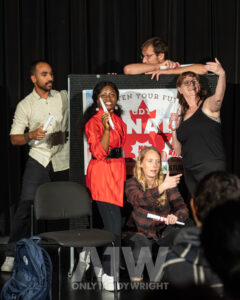
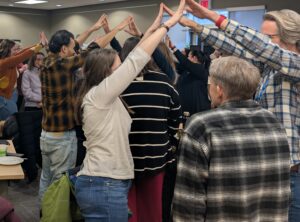
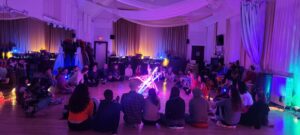
2.0 focused on dramatic story development. It brought 5 selected lived experiences to life as works-in-progress that could be presented to invited guests on several occasions. Some of these were continuations from stories explored in Laboratory 1.0. Laboratory 2.0 was a test kitchen to help us get a sense of the relevance, resonance, and impact of the stories shared. We applied material from 5 methodologies and tried various techniques within the wrap-around workshops to offer the chance for audiences to engage deeply with the material.
Projects
The Story of Dommy
Becky becomes pregnant. It’s not planned. Giving birth in a home for single mothers she faces the apprehension of her child not once but three times. Ultimately losing him to foster care. Could there be another way?
Loveseats
Gina finds herself homeless. Rather than be on the street, she seeks shelter with friends, acquaintances, and sometimes people she barely knows. What happens when the loveseats run out? And they belong to someone else.
A Better Tent City
During really difficult weather events many people come to A Better Tent City to seek care and refuge having nowhere else to go. The play shows how Nadine shows care and compassion to those looking for warmth, care, and a place to rest.
This play shows three specific scenarios that occurred at ABTC on a night of extreme weather during the winter. It shows the underlying root causes for people who may have acquired supportive housing or adequate and affordable housing but they return to A Better Tent City due to loneliness and needing the connection to those who understand what they have been through. Isolation is a serious issue. At A Better Tent City there are friendships that grow over time and a community is formed.
The play offers audiences the opportunity to learn about A Better Tent City and the people who live there and benefit from its existence.
This story looks at considering housing as a human right and questions what we mean when we think of home. What is housing when its not a financial investment but an investment in human life? How does that change our decision-making and our options? These are questions put forth to the audience. In the talk-back portion of the presentation audiences also learn of the personal experiences of the animators and realize that they too have contended with housing insecurity and homelessness. These are not theoretical presentations. They are dramatized events centering the point of view of the story-holder to build a bridge across differences and encourage dialogue.
Canadian Dream
This was the final story developed into a public presentation with a wrap-around workshop within the 2.0 Laboratory. We introduced more techniques for unpacking the content of the presentation. It was the result of our initial story-sharing workshops held with the Social Development Centre Waterloo Region’s Lived Expertise Working Group (LEWG).
There is no requirement for those participating in initial story-sharing circles to progress their work to public presentations unless they desire their story to become public. Because they felt it could build awareness and empathy or make social change. The members of the LEWG dedicate significant time to advocacy in their personal lives because of their lived experiences. Some work in community outreach and as peer support. Others have been long-time anti-poverty and homelessness advocates. Some participants desire to create meaning from their experiences while contributing to improving circumstances for others and to give back.
This story focuses on the journey of a newcomer to Canada contending with the layered intersectional challenges that come with being racialized and navigating another culture in the hope of attaining a better life; an aspiration shared by many people. We found that this story resonated strongly with members of the Laboratory for various reasons. Other newcomers who were racialised could see themselves in this story while they recognised their own fears if things did not work out. These lived scenarios represent the very real barriers, contradictions, gaps, and weaknesses in our current systems where falling through the cracks and becoming homeless is possible and happens.
Aging out of Place
Actors and non-actors can collectively transform any non-dramatic text (Newspapers, research documents, reports, the bible, etc.) into a critical and empathic investigation of our social realities. There are several techniques that can be applied to create public presentations or they can be applied within workshop settings to support presencing. Within the context of the Two Minute Play Laboratory we used a newspaper article based on the story of our participating Eviction Prevention Support Worker with the Social Development Centre as our script. OUTTA WORK ACTORS INC. YEAR 2 0 2 5 We explored two parallel themes related to the heroic efforts of individuals within insufficient systems that are not always protecting seniors from the violence of eviction. This Eviction Prevention Worker found themselves acting to mitigate further harm at the point of a preventable crisis if housing were a human right The story looked critically at system profiling and assumptions about the elderly. It demonstrates the coping mechanisms of individuals navigating a system ill-prepared to deal with rising homelessness with seniors.
What's next?
Our Laboratory 3.0 is in development, stay tuned!
Support our work
If you are interested in supporting our labs, donations can be made through the Social Development Centre linked below, which helps us support our programs and participants.
We also welcome conversations with organizations and individuals who are interested in sponsoring projects, collaborating on initiatives, or supporting future creative work.
For more information, contact us at: ad.outtaworkactors@gmail.com